
As a longtime Until Dawn player, I walked into the 2025 movie with a very specific kind of nervous excitement. I knew David F. Sandberg’s film was not going to be a straight retelling of Supermassive Games’ choices-and-consequences horror story, and I knew it was going to focus on a time loop instead. But I still wanted to feel the game in it. When I revisited the film in 2026, the detail that stuck with me most was not a loud callback or a familiar monster roar. It was a tiny hidden rune — a mark that quietly turns the movie’s time-loop structure into a clever echo of the game’s Butterfly Effect and Totem systems.
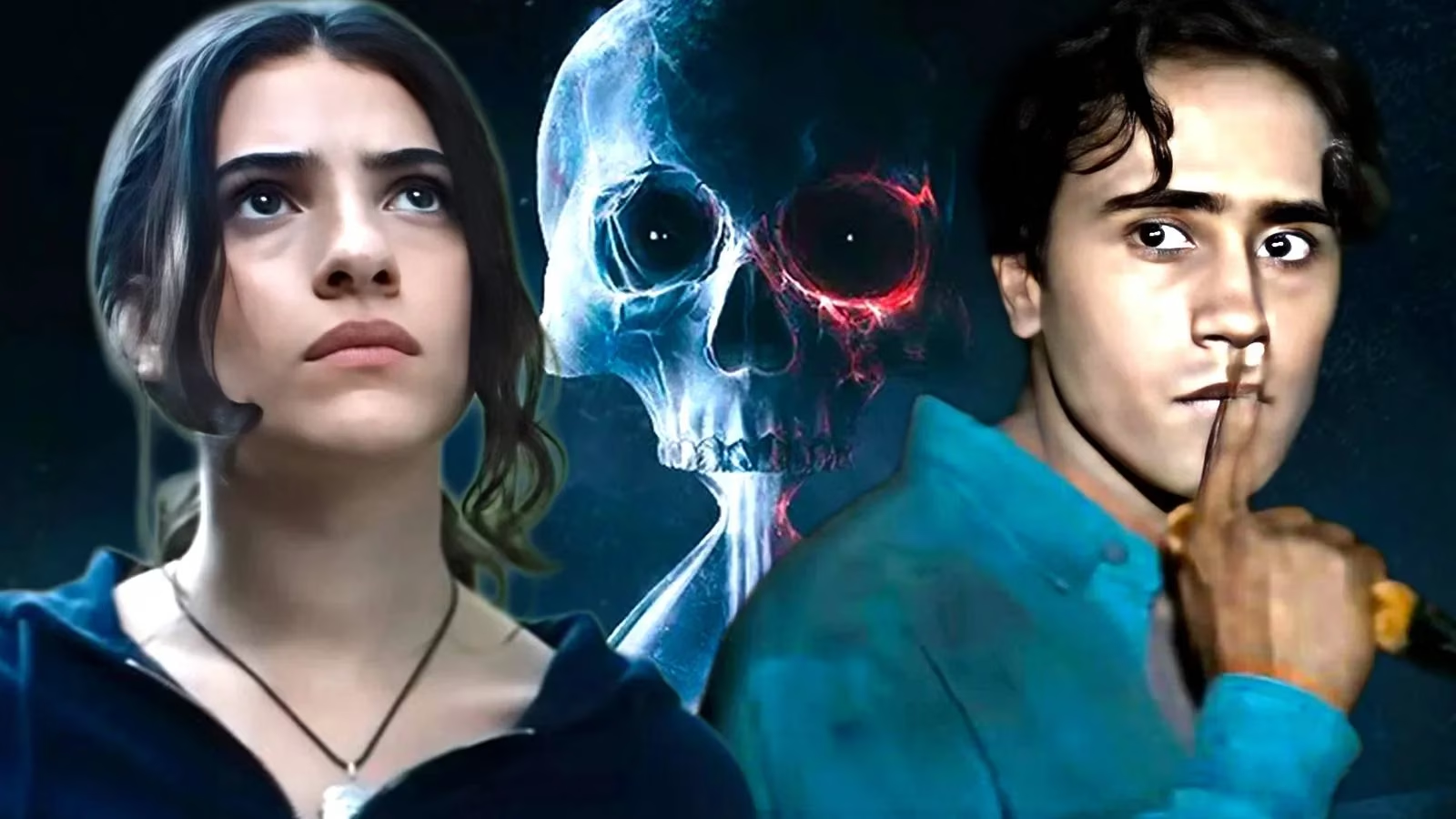
Sandberg explained in an interview that there was once a more explicit version of the Butterfly Effect in the film, with the night restarting and different choices tying together. Eventually, he chose to hide little runes throughout the movie instead. The rune he found means something like ‘Dawn’ or ‘New Day,’ and it resembles butterfly wings. That is exactly the kind of detail that makes me grin as a player. It is not a flashing sign saying, ‘Hey, this is the Butterfly Effect!’ It is a visual whisper. You can spot the shape in the witch’s house, where it is made out of bones, and on the pickax as a small rune. Did I notice every single one on my first watch? Absolutely not. That is the point. The film rewards the kind of player who leans forward and scans the background.
What I love most is how the runes work as the movie’s version of the game’s Totems. In Until Dawn, the Butterfly Effect is the engine: my choices ripple outward, changing items, chases, and even who survives. The Totems are the warning system. They come in five types — Death, Danger, Loss, Guidance, and Fortune — and they give players a precognitive glimpse of what a choice might lead to. The movie cannot hand me a controller, so it does something smarter. It hides marks in the world that feel like fragments of fate. They are not a menu. They are atmosphere, and they quietly suggest that every loop, every death, and every escape attempt is connected.
| Movie detail | Game mechanic it echoes | Why it works for me |
|---|---|---|
| Rune shaped like butterfly wings | Butterfly Effect | It suggests small choices creating big ripples without explaining the rules outright |
| Rune in the witch’s house made of bones | Totem warnings and lore | The house becomes a place where the cast learns the loop’s rules |
| Rune on the pickax | Death, Danger, and Fortune Totems | The pickax is both a rescue tool and a killing tool |
| Repeated night and changing outcomes | Choice-driven replay value | The film’s loop feels like a cinematic version of restarting a chapter |
😱 The pickax is the perfect example. In the movie, Michael Cimino’s Max uses it to pin a Wendigo down during a chase, so it becomes a savior. But it is also used by one of the masked killers to stab and kill nearly everyone at different points. That duality feels exactly like a Totem warning in the game: the same object can guide you or destroy you depending on the path you take. The witch’s house works the same way. It starts as a creepy location, then becomes the place where the group begins to understand the time loop and how to escape it. Is that not what a Guidance Totem does? It shows you a possible future so you can make a better choice.
There are other Easter eggs for game fans, too. The patient file for Rami Malek’s Josh is a nice touch, and the return of the game’s location gives the film a strange sense of continuity. Peter Stormare’s Dr. Hill coming back in a villainous twist is the kind of swing that could have felt wrong, but in the movie’s divergent sequel-like approach, it fits the nightmare logic. Still, the runes are the detail I keep thinking about. They are hidden in plain sight, and they do the work of two game mechanics at once without stopping the horror for an explanation.
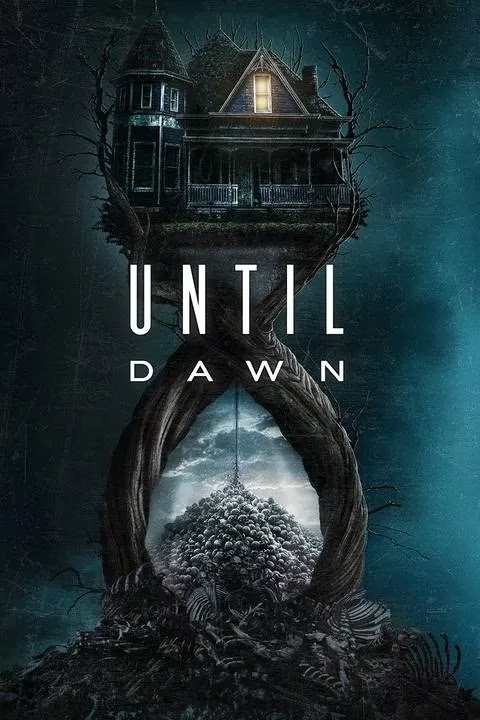
Looking back from 2026, I appreciate the Until Dawn movie more as a companion piece than as a replacement. It does its own thing with the time loop, the Wendigos, and the masked killers, but it stays true to the game’s obsession with cause and effect. The runes are a small creative choice, yet they show how a filmmaker can translate a player’s experience without copying it. Would a literal Butterfly Effect screen have been clearer? Maybe. But would it have been as fun to hunt for? Not even close. For me, those little marks are the best kind of Easter egg: quiet, eerie, and full of meaning for anyone who knows what to look for.
Comments