
In the shadowy corridors of Wake Up Dead Man: A Knives Out Mystery, Father Jud's collar hides more than just clerical modesty—it conceals a devil and angel locked in eternal struggle, a silent testament to a past that refuses to stay buried. Josh O'Connor's character, the former boxer turned priest, carries this barely visible tattoo like a secret confession, with the word "Serendipity" etched beneath it, whispering of unexpected grace found amid violence. Talk about wearing your heart on your sleeve—or in this case, your neck!
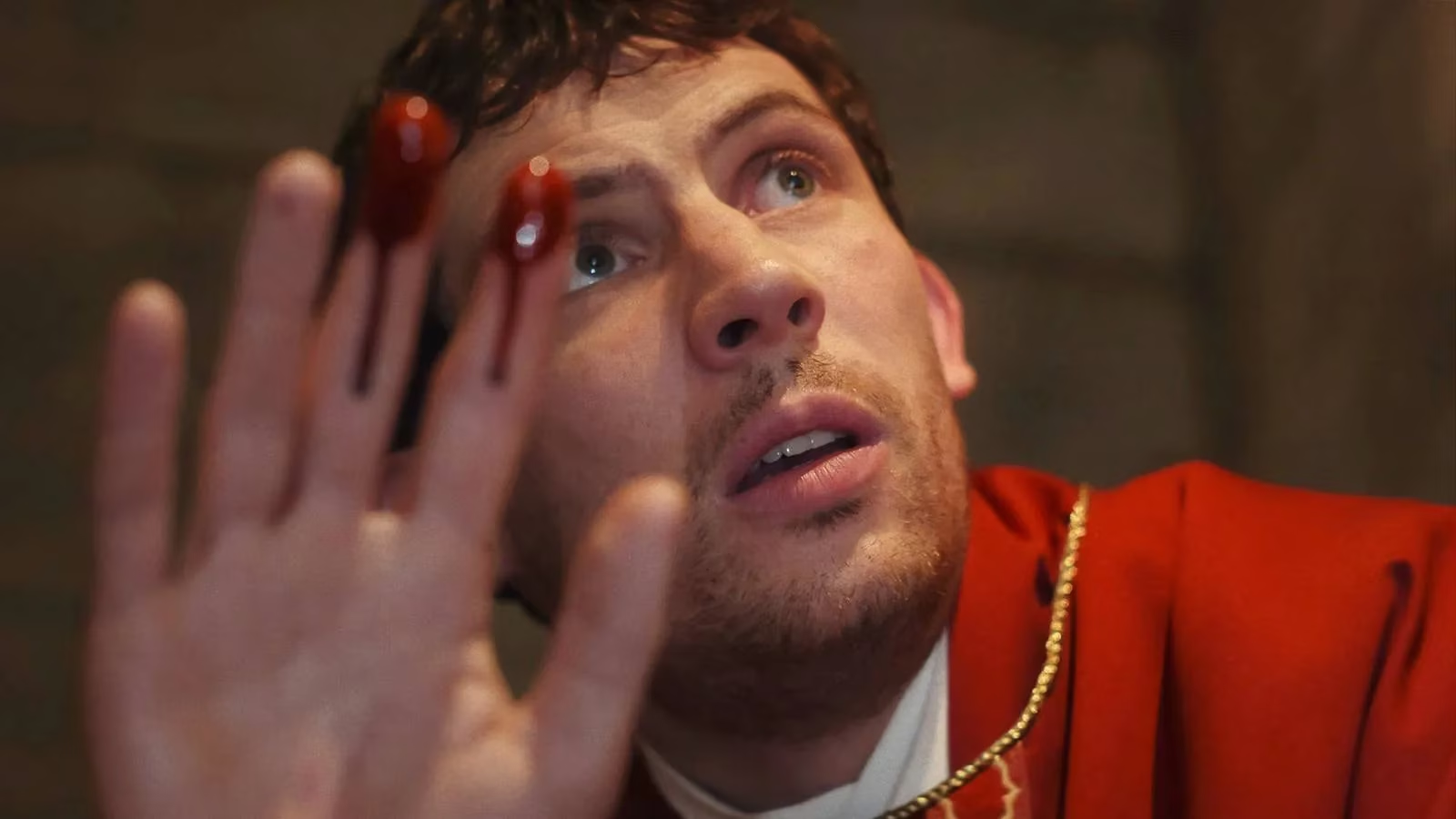
O'Connor and director Rian Johnson deliberately crafted this visual metaphor to illustrate Jud's internal battle. "I really loved the idea of being in this quite formal priest uniform with the dog collar—and there's this little bit of his past creeping up," O'Connor revealed. The tattoo becomes Jud's silent companion throughout the film, a reminder that transformation isn't about erasure but integration. He's not denying his past—hence he still has the tattoo—but that anger from his boxing days still simmers beneath the surface, especially when confronted with Monsignor Wicks' fear-based leadership.
Jud's backstory reveals he once killed an opponent in the ring, a trauma that eventually led him to religion. Now he emphasizes love and forgiveness, directly opposing Wicks' methodology of fear and war. The tattoo serves as a physical manifestation of this duality:
-
The Devil: Representing his violent past and lingering anger
-
The Angel: Symbolizing his spiritual transformation and quest for redemption
-
Serendipity: The unexpected path that led him from violence to priesthood
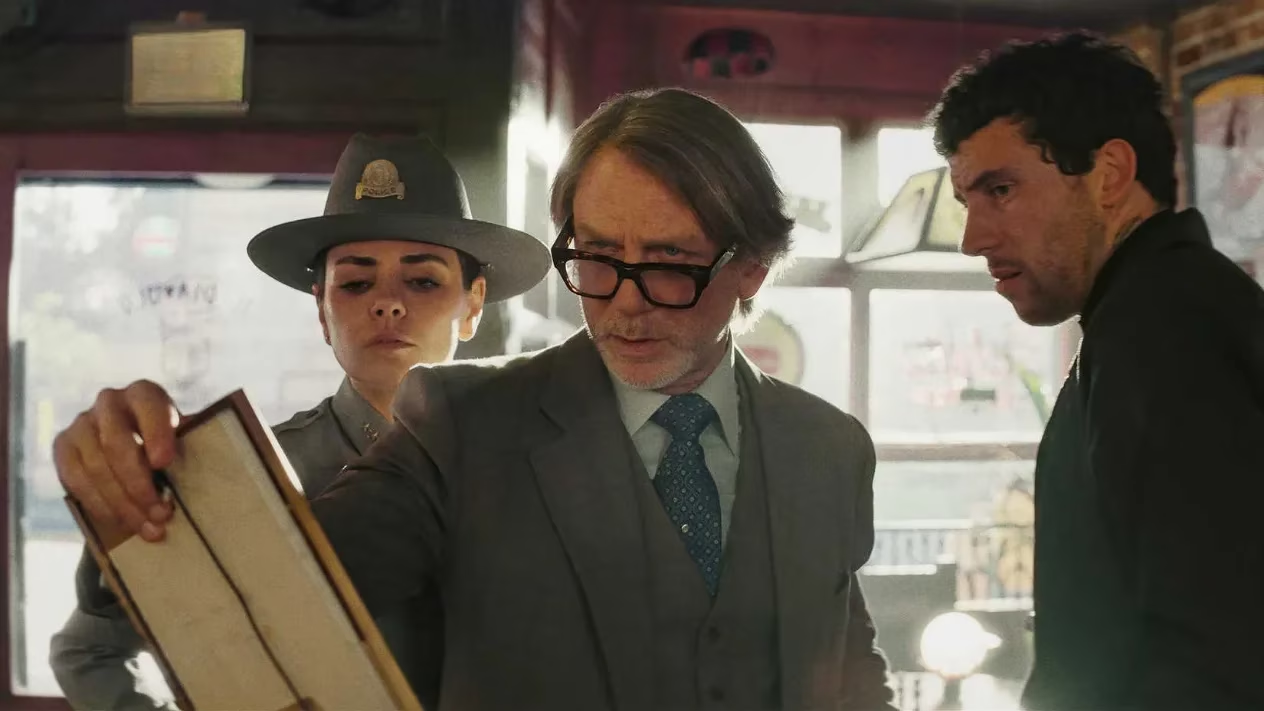
The film's climax beautifully resolves this internal conflict when Jud channels his "churning physical energy" into creating a new crucifix for the church—the very project Wicks had rejected earlier. Instead of unleashing his fury on an enemy, he strikes a tree with carpentry tools, transforming raw anger into sacred creation. Man, that's what you call character development! This act becomes the ultimate expression of Jud's journey: not suppressing his past but redirecting its energy toward healing.
Wicks had insisted on leaving the church wall blank, with only the shadow of the old crucifix remaining as a reminder of destruction. But Jud's new crucifix represents something entirely different—moving forward while honoring the past, offering grace instead of dwelling on loss. The final shot's twist regarding the crucifix design perfectly mirrors Jud's own transformation, nodding to the film's central theme of finding redemption through acceptance.
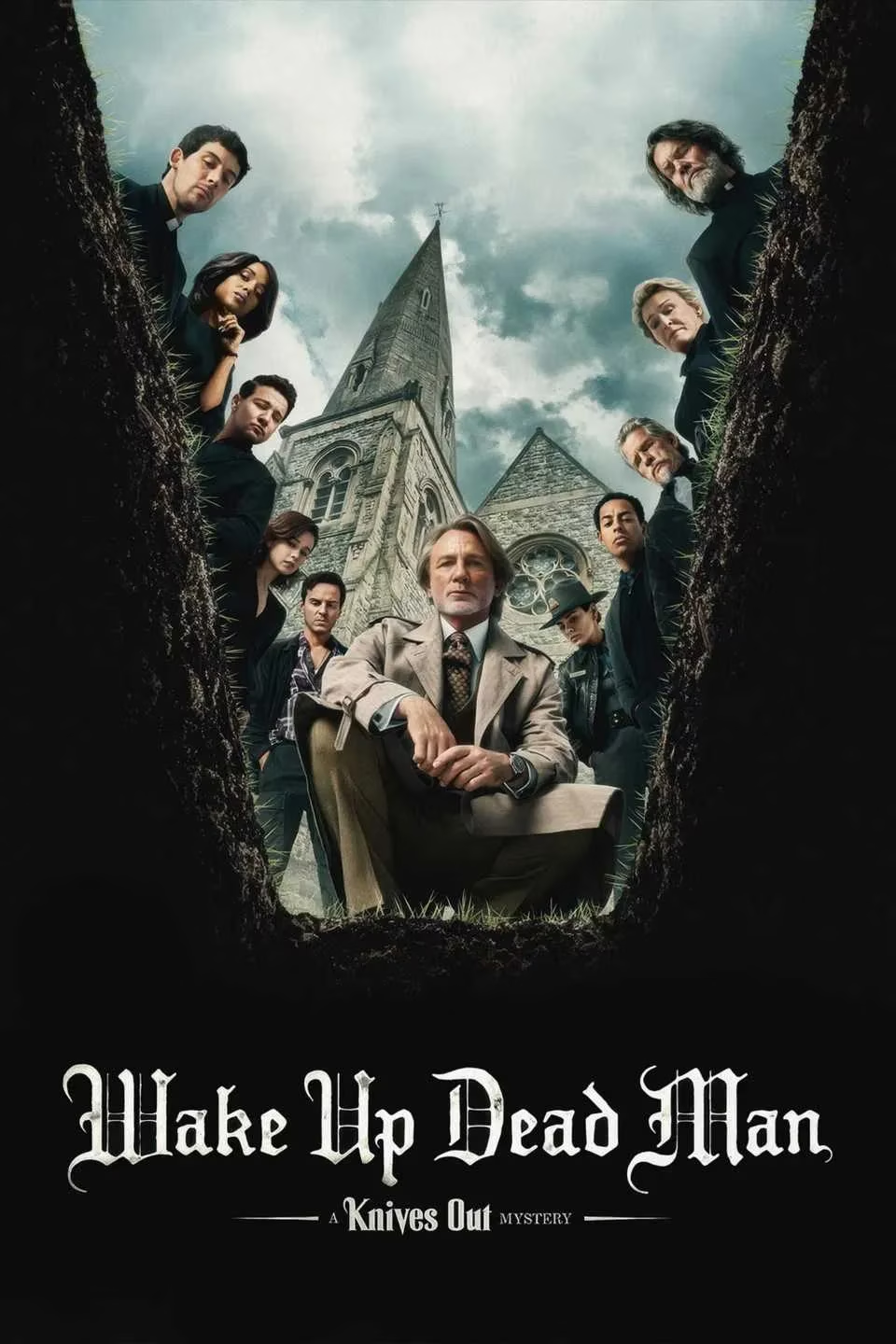
O'Connor's performance, anchored by this subtle but powerful visual detail, creates one of 2025's most compelling character studies. The tattoo becomes more than just ink on skin—it's a roadmap of a soul in transition, a permanent reminder that our past selves never truly leave us. They just learn new ways to express themselves. Sometimes the smallest details tell the biggest stories, and Jud's neck tattoo proves that some secrets are meant to be seen, even when they're hiding in plain sight.
| Character Element | Symbolic Meaning |
|---|---|
| Devil & Angel Tattoo | Internal conflict between past and present |
| Word "Serendipity" | Unexpected path to redemption |
| Priest's Collar | Attempt to contain and transform past self |
| Carpenter Tools | Redirecting violent energy into creation |
| New Crucifix | Physical manifestation of spiritual growth |
The beauty of Johnson's direction lies in these carefully planted details that blossom into profound statements about human nature. Jud's journey from boxer to priest, from destroyer to creator, mirrors everyone's struggle to reconcile who we were with who we're becoming. And sometimes, it takes a little ink and a lot of soul-searching to find that balance.
Comments