
Hey fellow Potterheads! Let me tell you, diving into the visual effects of the Harry Potter movies is like discovering a whole new level of appreciation for the magic. I recently caught this absolutely fascinating breakdown from the VFX wizards themselves, and honestly, my mind is blown. We're talking about the team that brought those iconic spell duels, Quidditch matches, and magical creatures to life from 2001 all the way through to the epic finale in 2011. It's wild to think that, as of 2026, these films are still the gold standard for blending practical filmmaking with digital wonder.
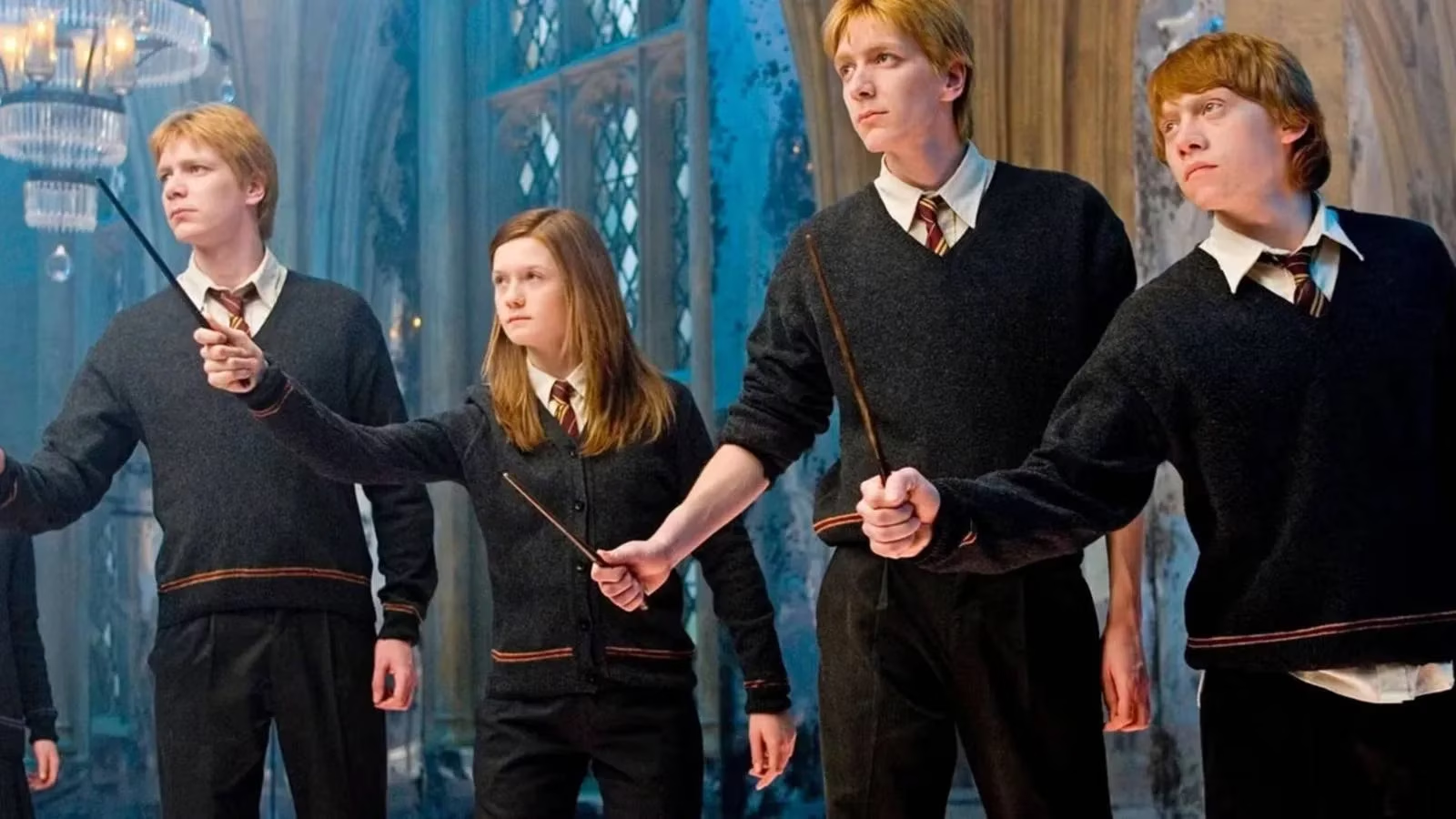
One of the coolest things I learned was how the style of magic evolved over the eight films. The early movies, like Sorcerer's Stone, had a more deliberate, almost theatrical pace to the spell-casting. But by the time we hit Order of the Phoenix, things got real. The duels became lightning-fast, high-stakes brawls. Can you imagine the actors on set, just waving sticks around with a straight face? The VFX artists from Corridor Crew had a good laugh about it, describing the behind-the-scenes footage as "absolutely hilarious" because, on the day, there was literally nothing happening—no lights, no particles, just pure imagination. Talk about commitment to the craft!
So, how did they make it look so darn real? I got the inside scoop from Sheldon Stopsack, a visual effects supervisor from Wētā FX who worked on the last three films. The secret sauce? Particle systems. Those beautiful beams of light—Expelliarmus reds, Stupefy blues, Avada Kedavra greens—are all incredibly complex digital particle effects that are actually emitting light themselves. It's not just a glow added in post; it's a living, breathing (well, digitally breathing) element.
Stopsack broke it down for us mere Muggles. For quick, flickering spells, they could often "get away with" a simple glow treatment. You buy it because it's fast and feels right. But for the big, cinematic moments? That's where the real VFX magic happens.
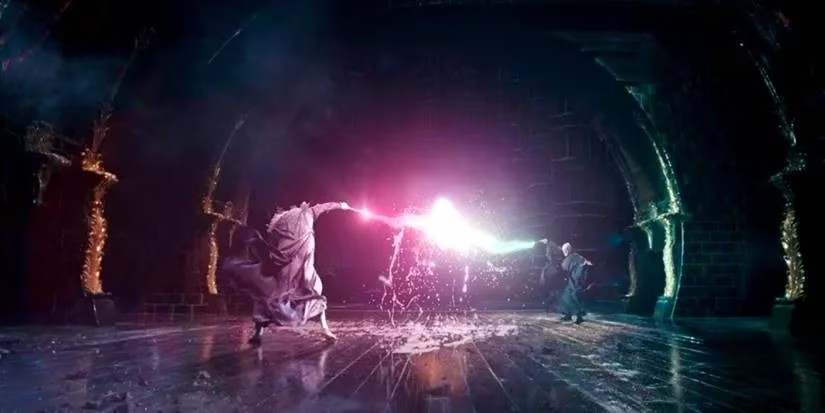
Take the legendary duel between Dumbledore and Voldemort in the Ministry of Magic. That wasn't just two colored lights clashing. Stopsack described it as an "ongoing stream of plasma" that meets in the middle to create a "big event." For sequences like that, the team had to develop advanced solutions. They created special "helper passes" to let the effect's light interact with the environment and the actors' faces realistically. It's a crazy technical dance between the animation, lighting, and compositing teams. They couldn't just freestyle it; every beam had to feel powerful, dangerous, and, most importantly, magical.
Here’s a quick breakdown of the spell effect evolution:
| Film Era | Spell Style | VFX Approach |
|---|---|---|
| Early Films (1-2) | Theatrical, deliberate | Simpler glows, more emphasis on actor performance |
| Middle Films (3-5) | Transition to faster combat | Complex particle systems introduced, more dynamic lighting |
| Final Films (6-8) | High-speed, intense duels | Advanced plasma streams, integrated environmental lighting, helper passes |
When asked for his personal favorite sequence, Stopsack's answer surprised me! While he appreciates the whole series (as do we all), he singled out the Quidditch game in Half-Blood Prince. He pointed out specific shots he worked on, which makes total sense. Quidditch is a VFX nightmare in the best way—you've got flying actors on broomsticks, a dynamic ball game, a massive stadium, and all of it needs to feel grounded in this magical world. It's not just about flashy spells; it's about creating a believable, thrilling sport that we all wish we could play.
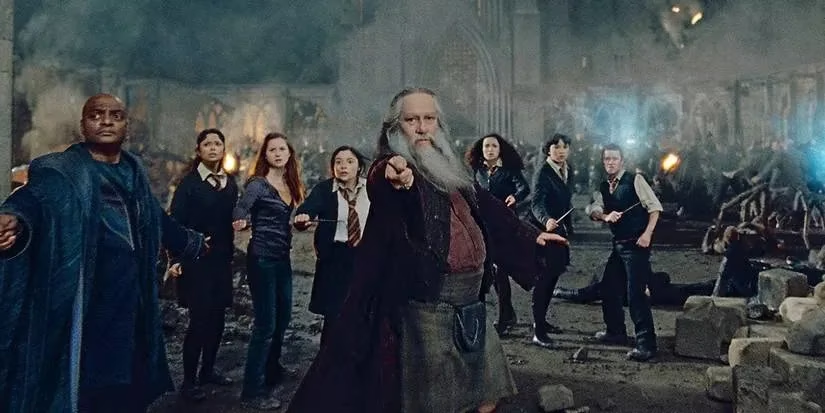
And let's not forget the Battle of Hogwarts. Protecting characters like Ginny with a massive, shimmering shield charm from Aberforth? That's the pinnacle of integrating VFX with emotional storytelling. The effects had to be huge and powerful, but also precise enough to feel like a protective barrier, not just a visual effect.
Reflecting on it now, the Harry Potter movies were truly genre-defining. They pioneered a unique style of action that was totally new to cinema: high-speed sports on broomsticks and opponents firing a kaleidoscope of spells at each other. As the battles got faster and more complex, the VFX team became masters of the shortcut, knowing when a simple glow would do the trick. But they always, always saved their A-game for the climactic scenes that drive the heart of the story.
So next time you watch Harry and Voldemort's final duel, or see a Bludger whiz past, remember the insane amount of talent and tech that went into making you believe it. It's a testament to the artists that, 15 years after the last film, we're still dissecting and admiring their work. That, my friends, is some legacy. ✨
Comments